
Light Duty Waterproofing vs Heavy Duty, Most homeowners in Pakistan only think about waterproofing when they have a problem. Water is dripping from the ceiling. The bathroom is leaking into the room below. The basement wall is damp. By the time these problems appear, the damage is already done.
When they finally go looking for a solution, they run into the same confusing question: there are multiple waterproofing products on the market, some described as light duty and some as heavy duty, and nobody clearly explains what the difference actually means or which one to buy.
This guide answers that question completely. It explains what light duty and heavy duty waterproofing actually are, which surfaces in a Pakistani home need which type, and how to make the right choice without spending money on a product that is more than the surface needs, or failing to protect a surface that needs more than a basic coat.
Table of Contents
Why Waterproofing Is Not One Size Fits All
The idea that one waterproofing product can handle every surface in a building is a marketing convenience, not a construction reality. Different surfaces in a home face completely different levels of water pressure, water exposure, and structural stress.
A bathroom wall that gets splashed during a shower is wet for a few minutes each day. A flat rooftop collects standing monsoon rain for hours at a time. A basement wall faces constant groundwater pressure from all sides, 24 hours a day. These are three completely different situations, and they require different levels of protection.
Using a heavy duty product on a surface that needs light protection wastes money. Using a light duty product on a surface that needs heavy duty protection means the waterproofing fails before the next monsoon season.
Understanding the difference saves Pakistani homeowners from both mistakes.
What Light Duty Waterproofing Means
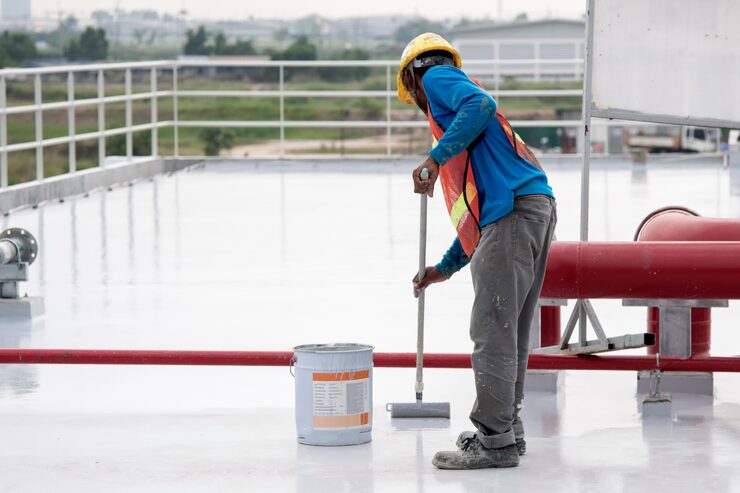
Light duty waterproofing is designed for surfaces that face regular but not extreme water exposure. These are surfaces that get wet frequently but do not deal with sustained water pressure, permanent submersion, or aggressive groundwater from soil.
The key properties of a light duty waterproofing compound are:
It is easy to apply, usually by brush or roller, and requires no specialized equipment or training. It forms a water resistant barrier on the surface it is applied to, reducing seepage and moisture ingress. It works well in humid, damp, and rain exposed conditions. It is suitable for preventive waterproofing on surfaces that are at risk but have not yet developed serious structural leaks.
Light duty waterproofing is the right choice for rooftops receiving normal monsoon rain, bathroom walls and floors before tile installation, balcony floors, outer surfaces of water tanks, and external walls facing rain. It is also ideal for preventive treatment on a new building, applied before any leakage problems develop.
SB Hydra Shield Waterproof Anti Leakage Agent by StoneBird Chemicals is a light duty, ready to use liquid waterproofing compound built specifically for these applications. It is certified to EN 14891 for liquid applied waterproofing systems and tested to ASTM D4541 for adhesion strength. It requires no mixing and is applied directly with a brush, roller, or spray, making it practical for both professional applicators and homeowners doing their own maintenance.
Coverage is approximately 100 square feet per kilogram per coat. It is available in 1 kg, 2 kg, 3 kg, and 5 kg packs, which makes it easy to buy the right amount for any size area without significant waste.
What Heavy Duty Waterproofing Means
Heavy duty waterproofing is designed for surfaces that face sustained, high pressure water exposure. These are surfaces where water pushes against the structure continuously, not just during rain events, and where failure of the waterproofing barrier would cause serious structural damage.
The defining characteristic of heavy duty waterproofing is its ability to resist hydrostatic pressure, which is the constant pushing force that water exerts when it is in contact with a surface at depth. The deeper the water or the wetter the surrounding soil, the higher the hydrostatic pressure.
Heavy duty systems typically include one or more of the following:
A thick cementitious coating mixed with polymer modifiers that bonds into the concrete surface and resists pressure from within the structure. A physical membrane system, either bituminous sheet or elastomeric membrane, that is bonded to the surface to create a positive barrier against hydrostatic pressure. A dual layer system that combines a chemical treatment with a physical membrane for maximum protection.
Heavy duty waterproofing requires professional application in most cases because the systems involve heat welding, precise overlap calculations, drainage layer integration, and surface preparation that goes beyond what a brush and roller can achieve.
The Surfaces in a Pakistani Home and Which Type They Need
Understanding which surfaces in your home fall into which category removes all the guesswork from product selection.
Flat rooftop receiving seasonal monsoon rain. This is a light duty application. The roof gets wet during rain events and dries between them. Water does not continuously push against the surface. Standing water after heavy rain applies some pressure, but it is temporary and manageable with a well applied liquid membrane system. Two to three coats of a quality light duty compound like SB Hydra Shield on a clean, crack repaired surface provides reliable protection for three to five years. For more on rooftop waterproofing methods and prices in Pakistan, see our guide on roof waterproofing in Pakistan: methods, prices and best products.
Bathroom floors and walls. This is a light duty application that must be done before tile installation. Bathroom surfaces face daily water exposure but not sustained pressure. A liquid waterproofing compound applied in two coats on the floor and lower walls before tiling creates the barrier that prevents moisture from reaching the tile adhesive and substrate below. The tiles and grout go on top of the waterproofing layer, not instead of it. Without this layer, bathroom leakage into the room below is almost inevitable within a few years.
Balcony floor. Light duty. Rain lands on the balcony and flows to drains. The surface is wet during and after rain but not under sustained pressure. A liquid membrane in two to three coats on the structural slab, applied before any finish tiles are laid, protects the slab and the room beneath it.
Outer surface of a water tank. Light duty. The outer surface of a concrete or brick water tank faces moisture from the tank contents seeping outward and from rain. A liquid compound applied to the outer surface before plastering prevents this seepage from damaging adjacent walls and slabs.
External walls facing monsoon rain. Light duty. Rain hits the wall and runs off. The wall does not face continuous hydrostatic pressure. A liquid waterproofing compound applied to the plastered surface seals the micro porosity of the plaster and prevents rainwater from penetrating into the wall body.
Basement walls below ground level. Heavy duty. This is the defining heavy duty application in a residential building. Soil moisture and groundwater push against the basement wall from the outside continuously. This is hydrostatic pressure, and it does not stop when it stops raining. A light duty liquid compound applied to a basement interior wall will reduce moisture ingress but cannot reliably resist sustained hydrostatic pressure over the long term. Basement exterior walls should ideally be treated with a membrane or cementitious heavy duty system during construction, before soil is backfilled. Interior treatment of existing basement walls requires a cementitious crystalline or heavy duty polymer system that can resist positive and negative water pressure.
Water tank interior holding potable water. Specialized application. The interior of a drinking water tank faces constant water contact and must be treated only with a product that is confirmed safe for potable water contact. Not all waterproofing compounds are rated for this use. Check manufacturer specifications carefully and confirm food grade or potable water safe certification before applying any product to a tank interior that supplies drinking water.
Below ground foundations and slabs. Heavy duty. Foundation walls and ground slabs face permanent soil moisture and seasonal groundwater pressure. This requires membrane grade waterproofing applied during construction, before concrete is poured or before backfilling. Post construction treatment of foundations is extremely difficult and expensive.
The Four Key Differences Between Light and Heavy Duty Systems
Understanding these four differences helps you evaluate any product claim you encounter in the Pakistani market.
Water pressure resistance. Light duty products are rated for surface water and intermittent moisture exposure. Heavy duty systems are rated for hydrostatic pressure, measured in meters of water head. A heavy duty cementitious coating might be rated to resist pressure equivalent to several meters of water depth. A light duty liquid compound is not rated for this.
Application method. Light duty compounds are applied by brush, roller, or spray. They are thin coatings that build up in multiple coats. Heavy duty systems involve trowel applied thick coats, torch applied membrane sheets, or spray applied thick membranes that require professional equipment.
Surface preparation requirements. Light duty application requires a clean, dry, crack repaired surface. Heavy duty application requires all of that plus specific surface profiling to ensure the membrane bonds under pressure, priming with compatible primers, precise detailing at joints and penetrations, and in many cases, drainage layer installation to relieve water pressure before it reaches the membrane.
Cost and complexity. Light duty waterproofing is accessible and cost effective for homeowners to apply themselves on most residential surfaces. Heavy duty waterproofing is a specialist contractor job that costs significantly more per square meter and requires experienced hands to execute correctly. The extra cost is justified because the consequence of a heavy duty system failing is far more serious than a light duty coating wearing thin.
Why Pakistani Homeowners Often Use the Wrong Type
Two common mistakes happen repeatedly in Pakistan’s residential waterproofing market.
The first is applying light duty waterproofing on a basement and expecting it to solve a serious groundwater problem. A homeowner sees damp basement walls, buys a liquid waterproofing compound, paints it on the interior surface, and expects the problem to stop. If the basement faces significant hydrostatic pressure, a light duty interior coating will relieve the surface appearance for one season but will not stop water from finding its way through. Heavy duty waterproofing needs to be applied on the water facing side, which for a basement is the outside, during construction.
The second mistake is applying heavy duty or over specified products on simple bathroom floors and rooftops at unnecessary cost, when a correctly applied light duty system would provide the same protection at lower cost. The extra expense on over specified products for light duty applications is wasted money that could have been spent on better surface preparation or additional coats where needed.
The question to ask before buying any waterproofing product is simple: does this surface face continuous water pressure from the soil or from standing water depth, or does it face intermittent rain and daily use exposure? The first situation needs heavy duty. The second needs light duty applied correctly.
How Many Coats Does Light Duty Waterproofing Need?
The number of coats matters more than most homeowners realize. A single thin coat of any light duty compound gives inadequate protection for most surfaces in Pakistan’s climate.
For bathroom floors and walls before tiling: a primer coat diluted 1:1 with water, followed by two full coats undiluted, with each coat allowed to dry for 6 to 12 hours before the next. That is three coats total for bathroom wet areas.
For flat rooftops and balconies: a primer coat, two full coats minimum, and a third coat in high risk areas such as parapet junctions, drain edges, and any previously repaired crack locations. The additional coat at these points is the most cost effective insurance against the most common failure locations.
For external walls and water tank outer surfaces: two coats minimum. These surfaces face intermittent exposure and two coats provides adequate protection when applied on a clean, sound surface.
With SB Hydra Shield at 100 square feet coverage per kilogram per coat, calculate your total coverage need by multiplying the area by the number of coats, then add 10 to 15 percent for edges, corners, and high risk zone extra coverage.
Signs Your Waterproofing Has Failed and Needs Replacement
Understanding when existing waterproofing has reached the end of its service life helps you plan maintenance before problems appear.
On a rooftop, look for peeling, flaking, or bubbling of the coating surface. Any area where the coating has lifted from the concrete means that section is no longer protected. White or brown staining underneath a coating means water has been getting behind it.
On bathroom walls, the first signs of waterproofing failure appear as damp patches on the wall of the room adjacent to the bathroom, paint peeling on that adjacent wall, or tiles that sound hollow when tapped and have shifted from their original position.
On balconies, water staining or dripping from the ceiling of the room below is the clear sign that the balcony slab waterproofing has failed.
If you see any of these signs, the correct response is to treat the surface before the next monsoon season rather than waiting for the problem to worsen. Removing failed coating, repairing any surface damage, and applying fresh light duty waterproofing is always significantly cheaper than repairing the structural damage that results from extended untreated moisture ingress.
For a comprehensive overview of which areas in your home need waterproofing and when, see our guide on 5 areas in your home that must be waterproofed.
When to Call a Professional Instead of DIYing
Light duty waterproofing on accessible flat rooftops, bathroom floors, and balconies is well within the capability of a careful homeowner following the correct preparation and application process. The products are designed to be user friendly and the application method is no more complex than painting.
Call a professional waterproofing contractor when:
The surface is structurally damaged, with significant cracking or concrete spalling, that requires repair work beyond simple crack filling. The basement or foundation is the problem, because heavy duty systems applied to these surfaces require specialist knowledge, drainage assessment, and membrane installation that is not DIY territory. The roof has drainage design problems, such as areas with no slope that permanently collect water, because solving this requires regrading the surface, not just waterproofing over it. The area is large, above 2,000 square feet, and the homeowner has no experience with waterproofing application, because consistent coverage across a large area is more difficult than it appears.
According to The Concrete Society, the correct diagnosis of the water ingress mechanism is as important as the waterproofing product selection. A professional assessment identifies whether the water source is surface rain, rising damp, or hydrostatic groundwater pressure, and this diagnosis determines whether light duty or heavy duty treatment is appropriate.
SB Hydra Shield: Pakistan’s Light Duty Solution
For the vast majority of waterproofing needs in a typical Pakistani home, rooftops, bathrooms, balconies, water tanks, and external walls, SB Hydra Shield Waterproof Anti Leakage Agent provides the right level of protection in a product that is easy to buy, simple to apply, and manufactured for Pakistan’s climate.
It is ready to use with no mixing. It forms a continuous, flexible, water resistant barrier. It is certified to EN 14891 and ASTM D4541. It performs in rain, humidity, and damp conditions. It is available in pack sizes that suit everything from a single bathroom floor to a large residential rooftop.
For any surface that goes beyond light duty, including basement walls, foundations, and heavy duty commercial applications, consult StoneBird Chemicals’ technical team through their contact page for guidance on the right system for the specific situation.
For the complete picture of what waterproofing involves across different building areas and at different construction stages, see our full guide on everything you need to know about waterproofing in Pakistan and the top waterproofing solutions in Pakistan to stop roof leakage. To find SB Hydra Shield near you, visit the StoneBird Chemicals distribution page.