
Bathrooms and other wet areas need more than attractive tiles. They require a reliable tile adhesive that can hold tiles firmly in place despite regular water exposure, humidity, temperature changes, and everyday cleaning. Choosing the wrong tile bond can lead to loose tiles, hollow sounds, cracked grout, and expensive repairs.
If you are searching for the Best Tile Bond for Bathroom Walls & Wet Areas, focus on adhesion strength, resistance to moisture, slip resistance, and compatibility with your tile type. You should also ensure that the surface underneath the tiles has been properly waterproofed.
This guide explains how to choose the right bathroom tile adhesive, which features matter most, and how to install tiles for long-lasting performance.
What Is the Best Tile Bond for Bathroom Walls and Wet Areas?
The best tile bond for bathroom walls and wet areas is a high-quality, polymer-modified tile adhesive that provides strong adhesion and is suitable for the tile material, wall surface, and level of moisture exposure. For porcelain tiles, large-format tiles, and demanding installations, a higher-performance adhesive may be necessary.
For example, Stone Bond Tile Bond by StoneBird Chemicals is a polymer-modified adhesive designed for fixing ceramic, porcelain, marble, and other tiles on walls and floors. For installations that require improved adhesion and resistance to tile slippage, a suitable C2TE-class adhesive may be worth considering.
However, remember that tile adhesive and waterproofing serve different purposes. Even a high-quality adhesive should not be treated as a substitute for a proper waterproofing membrane.
Why Do Bathroom Walls Need the Right Tile Adhesive?
Bathroom walls experience different conditions from ordinary interior walls. They are exposed to water splashes, steam, humidity, and frequent cleaning. Shower walls and areas around bathtubs may experience even more direct water exposure.
Using an unsuitable adhesive can increase the risk of tile failure, particularly when the substrate is weak, the tiles are heavy, or the installation has not been completed correctly.
1. Strong Adhesion on Vertical Surfaces
Wall tiles must remain securely attached without sliding down before the adhesive sets. A suitable wall tile adhesive provides the grip needed to hold the tiles in position during installation and after curing.
For heavier tiles and larger formats, choose an adhesive specifically recommended for that application. Anti-slip or reduced-slip properties are especially useful when fixing tiles vertically.
2. Resistance to Moisture
Bathroom tiles are exposed to water regularly, but the adhesive underneath them must still maintain its bond. A quality polymer-modified adhesive can provide improved adhesion compared with an ordinary cement-and-sand mixture.
Nevertheless, moisture resistance does not automatically mean complete waterproofing. Water can still penetrate through damaged grout, corners, pipe openings, and other joints if these areas are not properly sealed.
3. Compatibility With Different Tile Types
Ceramic tiles, porcelain tiles, glass mosaics, and natural stone have different installation requirements. Porcelain, for example, absorbs very little water, so it generally requires an adhesive with suitable bonding performance.
Before buying tile bond, check the manufacturer’s recommendations for your tile material, dimensions, and installation surface.
4. Long-Term Durability
A properly selected adhesive, combined with correct surface preparation and waterproofing, helps reduce the likelihood of loose tiles and hollow areas. This can help homeowners avoid unnecessary repairs and replacement costs.
Which Type of Tile Bond Should You Choose?
Not every tile adhesive is suitable for every bathroom project. Your choice should depend on the tile material, size, surface, and exposure to water.
Polymer-Modified Tile Adhesive
Polymer-modified tile adhesive contains additives that improve bonding performance and workability. Depending on the formulation, these additives can also improve flexibility and resistance to demanding site conditions.
This type of adhesive is a practical option for many modern bathroom installations, including ceramic and selected porcelain tiles.
Explore StoneBird’s Tile Bond to review its intended applications and product information before selecting it for your project.
C1 Tile Adhesive
C1 is a classification for cementitious tile adhesives with normal adhesion performance under the relevant testing standard. It may be suitable for certain standard ceramic tile installations when the product manufacturer permits the intended application.
However, do not assume that every C1 product is suitable for heavy wall tiles, low-absorption porcelain, or demanding wet-area installations.
C2TE Tile Adhesive
C2TE identifies an improved-performance cementitious adhesive with additional properties:
- C2: Improved adhesion performance.
- T: Reduced slip, helping tiles stay in position on vertical surfaces.
- E: Extended open time, giving installers more time to place tiles under specified conditions.
A suitable C2TE adhesive can be a strong option for larger tiles, porcelain, and demanding bathroom wall applications. Always verify the product’s technical data sheet and ensure that it is approved for the specific installation.
For additional guidance, read How to Choose the Right Tile Adhesive in Pakistan: C1, C2 and C2TE Explained.
Best Tile Bond Options for Different Bathroom Applications
Ceramic Tiles on Bathroom Walls
Standard ceramic tiles are commonly used on bathroom walls because they are available in many sizes, finishes, and price ranges.
For ordinary ceramic wall tiles, choose a quality adhesive that is specifically suitable for interior walls and the expected moisture exposure. Check its slip resistance if the tiles are being installed vertically.
Prepare the wall properly and use the recommended trowel to create an even adhesive bed.
Porcelain Tiles in Shower Areas
Porcelain tiles have low water absorption and can be more demanding to bond than many standard ceramic tiles. A suitable improved-performance adhesive is generally the safer choice, particularly for large or heavy porcelain tiles.
Do not choose a product based on the word “waterproof” alone. Check its compatibility with porcelain, wall installation, and the waterproofing system beneath the tiles.
Large-Format Bathroom Wall Tiles
Large tiles can look modern and create fewer grout lines, but they require careful installation. Uneven walls and incomplete adhesive coverage can create voids behind the tiles.
A suitable higher-performance adhesive with reduced-slip properties can help installers achieve a secure installation. The wall must also be sufficiently flat and strong to support the tile weight.
Marble and Light-Coloured Natural Stone
Natural stone may require a particular adhesive formulation. White adhesive is often preferred for light-coloured marble and stone because it can help reduce the risk of a dark adhesive affecting the finished appearance.
For natural stone, always confirm compatibility with the stone type and check whether the material is sensitive to moisture or staining.
StoneBird also offers Stonebond White, a white polymer-modified adhesive intended for ceramic, porcelain, and vitrified tiles, with specified wall and floor applications. Confirm suitability for your particular natural stone before use.
Why Waterproofing Is Essential Before Bathroom Tiling
One of the most common mistakes in bathroom construction is assuming that tile bond and grout will prevent all water from reaching the wall or floor underneath.
Tiles and grout form the finished surface, but they are not a replacement for a properly designed waterproofing system. Water can pass through joints and reach the substrate, potentially causing damp patches, peeling paint in adjacent rooms, and damage to the building.
A reliable bathroom tiling system should include:
- A structurally sound and properly prepared substrate.
- A compatible waterproofing membrane in areas that require it.
- Correct treatment of corners, joints, drains, and pipe penetrations.
- A tile adhesive suitable for the tile and waterproofing system.
- Proper grouting and flexible sealing at movement joints.
For wet areas, review the manufacturer’s instructions for both the waterproofing membrane and tile adhesive. Not every adhesive is approved for every membrane.
StoneBird provides information about bathroom and wet-area waterproofing and products such as Aqua Pro Flex 2K, which is presented for under-tile waterproofing applications. Confirm the current product specification and installation requirements with the manufacturer before use.
How to Apply Tile Bond on Bathroom Walls
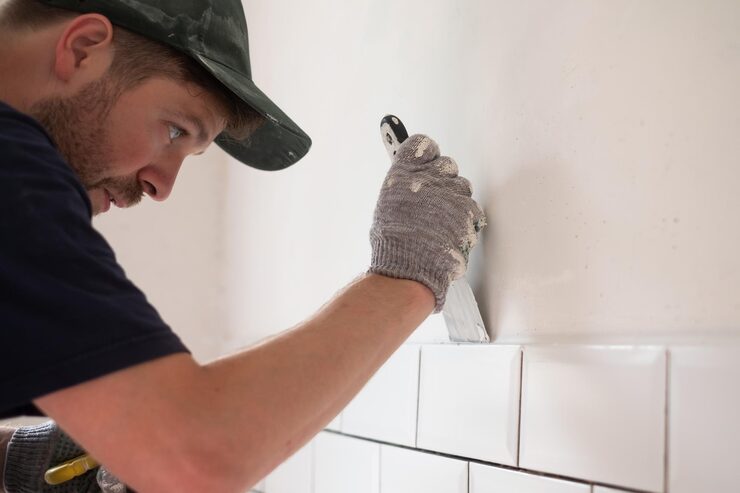
Even the best tile bond can fail if it is applied incorrectly. Follow the product’s technical instructions and use these general installation steps.
Step 1: Prepare the Wall
Remove dust, loose plaster, grease, paint that cannot support the installation, and other contaminants. The surface should be sound, clean, and sufficiently flat.
If the wall has cracks, dampness, or loose sections, address these problems before tiling. Applying adhesive over a weak surface will not make that surface structurally sound.
Step 2: Complete the Waterproofing Work
Apply the specified waterproofing system in areas where it is required. Allow it to cure for the period stated by the manufacturer before installing tiles.
Make sure the adhesive is compatible with the membrane. Do not begin tiling until the waterproofing layer is ready to receive the adhesive.
Step 3: Mix the Tile Adhesive Correctly
Use clean water and the mixing ratio printed on the product packaging or technical data sheet. Add the powder gradually and mix until the adhesive becomes smooth and lump-free.
Allow the mixture to rest and remix if the instructions require it. Do not add extra water after the adhesive begins to set.
Step 4: Spread the Adhesive With a Notched Trowel
Apply adhesive to a manageable area using a suitable notched trowel. Select the notch size according to the tile dimensions, surface condition, and manufacturer’s recommendations.
Avoid spreading more adhesive than can be covered before its open time expires. If the surface begins to skin over, remove the affected material and apply fresh adhesive as directed.
Step 5: Install and Align the Tiles
Press each tile firmly into the adhesive bed and move it slightly to achieve good contact. Check alignment regularly and use suitable spacers to maintain consistent joints.
For large-format tiles, back-buttering may be necessary to improve coverage. Follow the adhesive manufacturer’s guidance for the required coverage and installation method.
Step 6: Allow the Adhesive to Cure
Do not rush grouting, cleaning, or exposing the installation to water. Follow the product’s specified setting and curing times, accounting for site conditions.
Once the adhesive is ready, grout the joints properly and use an appropriate flexible sealant at corners and changes of plane where required.
Common Mistakes to Avoid When Choosing Bathroom Tile Bond
Choosing the cheapest product without checking its grade: A low price does not tell you whether an adhesive is suitable for your tile and installation conditions.
Using ordinary cement and sand for every tile: Traditional mortar may not provide the performance needed for low-absorption porcelain or large-format tiles.
Skipping waterproofing: Tile adhesive does not replace a waterproofing membrane where one is required.
Applying adhesive over a weak wall: Loose plaster, dust, and flaking paint can cause the entire installation to fail.
Using too little adhesive: Spot-fixing tiles or leaving large voids behind them can reduce bond coverage and create weak areas.
Adding extra water to stiffened adhesive: This can interfere with the adhesive’s performance. Discard material that has exceeded its usable time.
Ignoring the technical data sheet: Always confirm the correct mixing ratio, open time, curing period, tile compatibility, and permitted applications.
How to Choose the Best Tile Bond for Your Bathroom
Before purchasing a tile adhesive, consider the following questions:
- Is the tile ceramic, porcelain, marble, or another material?
- What are the tile dimensions and weight?
- Is the adhesive approved for vertical installation?
- Does the product have suitable adhesion and slip-resistance properties?
- Is it compatible with the waterproofing membrane?
- What does the manufacturer’s technical data sheet recommend?
- Can the supplier provide technical guidance for your specific project?
For standard ceramic wall tiles, a suitable quality polymer-modified adhesive may be sufficient. For porcelain, large-format tiles, or more demanding installations, consider an improved-performance product such as an appropriate C2TE adhesive.
You can explore StoneBird Chemicals’ tile adhesive products to compare options and contact the manufacturer for project-specific guidance.
Frequently Asked Questions
Which tile bond is best for bathroom walls in Pakistan?
The best tile bond for bathroom walls is a quality adhesive approved for the tile material, vertical installation, and expected moisture exposure. Polymer-modified tile adhesives are widely used for modern wall tiling. For large porcelain tiles or demanding installations, an appropriate C2TE product may be more suitable. Always check the manufacturer’s technical data sheet before buying.
Is tile bond waterproof?
Tile bond may offer moisture resistance, depending on its formulation, but it should not automatically be considered a waterproofing system. Water can enter through grout joints, corners, and pipe openings. Bathrooms that require waterproofing should have a compatible membrane beneath the tiles, installed according to the system manufacturer’s instructions.
Can I use tile bond on shower walls?
Yes, if the adhesive is specifically suitable for the tile type, vertical surface, and shower installation. Prepare the wall properly, waterproof the required areas, and ensure the adhesive is compatible with the waterproofing membrane. For heavy porcelain or large-format tiles, check whether an improved-performance adhesive with reduced-slip properties is recommended.
Is C2TE tile adhesive better for bathroom walls?
C2TE offers improved adhesion, reduced slip, and extended open time under the applicable classification. These properties can be useful for large-format tiles, porcelain, and demanding wall installations. However, the best choice still depends on the tile, substrate, and manufacturer’s approved uses. C2TE does not eliminate the need for correct waterproofing and installation.
How can I prevent bathroom tiles from becoming loose?
Start with a strong, clean, flat substrate and complete any required waterproofing. Choose an adhesive compatible with the tiles and installation surface, mix it correctly, and apply enough adhesive to achieve the required coverage. Allow it to cure before grouting or exposing the area to water. Properly seal corners and movement joints, and investigate any existing dampness before starting a new installation.
Final Thoughts
Choosing the best tile bond for bathroom walls and wet areas is about more than brand or price. The right product must match your tile material, wall surface, and moisture exposure. Correct preparation, adequate adhesive coverage, compatible waterproofing, and proper curing are equally important for a durable finish.
For projects in Pakistan, Stone Bond Tile Bond is one option to review for ceramic, porcelain, and other tile installations. For larger tiles or demanding wet-area work, ask StoneBird Chemicals or your tile installer to confirm the appropriate grade and system for your project before installation.