
How Tile Grout Works. Grout is a thick paste used to fill the gaps between tiles, essentially acting as a binding agent that keeps everything in place and reinforces the strength and performance of the entire installation. It is a dense fluid mixture used to fill gaps between tiles during installation. Made primarily from cement, sand, and water, modern tile grout often contains polymers and additives to enhance performance. Once applied and cured, grout hardens to form joints that give tile installations a finished look and create a protective barrier. Tile and grout work together as a system. Tiles provide the surface, while grout secures them and prevents water infiltration. Grout also helps prevent moisture from seeping into the tile and subfloor. In high-moisture areas like bathrooms and kitchens, it is essential for preventing water damage.
What Is Tile Grout and What Does It Do
Grout’s main job is to fill the gaps between tiles. It locks the layout visually and keeps tiles aligned. But that is only part of the picture. Tile grout plays a crucial role in both the appearance and performance of tiled surfaces. Without it, tiles shift over time, moisture creeps into joints, and the surface weakens from within. Grout, in addition to being waterproof in certain types, is resistant to stains, does not allow dirt to stick to the surface, and prevents the formation of fungi and bacteria, making the environment more aesthetically beautiful and pleasant.
Grout is the last step in tile installation, but it is one of the most important ones. Getting it wrong means water damage, cracked joints, and costly repairs. Getting it right means a surface that holds for decades.
Why Tile Grout Matters More Than You Think
Many builders and homeowners in Pakistan treat grout as an afterthought. That thinking leads to real problems. Sealing floor tile grout is crucial to preserving the appearance and durability of tiled surfaces in homes and commercial spaces. Grout, being porous, is susceptible to stains, moisture, and mold, which can degrade its integrity over time. Water can seep into grout lines, subfloors, and walls, causing mold growth, tile failure, and even structural issues. Grouting reduces damage caused by humidity, dust, and daily wear. When you choose the right type and apply it correctly, your tiles stay strong, clean, and problem-free for years. When you skip steps or use the wrong product, you pay for it later.
The Main Types of Tile Grout
The seven major types of grout are sanded, unsanded, polymer cement, single-component, epoxy, furan, and premixed. For most residential and commercial projects, four types cover the vast majority of needs.
Sanded Cement Grout
Sanded grout is typically used on tile floors where joints are 1/8 inch to 3/8 inch wide. Uses for sanded grout include bathroom floors, kitchen floors, shower pans, and entryways. It is more affordable than other grouts and allows for a large variation of color. The grout has a more structured base when using sand, and therefore it can better fill gaps that are wide and can withstand drying and cracking in the future.
One thing to note: sanded grout can scratch certain surfaces and is difficult to force into narrow joints. Avoid using it on polished stone, glass, or any tile surface that scratches easily.
Unsanded Cement Grout
Unsanded grout is smooth grout cement that lacks sand elements. It is applied on joints less than 1/8 inch wide. It is used on vertical structures such as bathroom walls, shower walls, and fragile tiles such as polished stone, glass, or metal tiles, since it is smooth and sanded grout can scratch the tile. Unsanded grout sticks to vertical surfaces quite well and offers a clean and complete look. However, it is not advisable to use it in bigger spaces between tiles since it has a tendency to shrink.
Epoxy Grout
Epoxy can increase flexibility for joint widths of up to 1.25 inches and is best used for projects with heavily trafficked areas like entryways, hallways, and foyers; harsh conditions exposed to grease and acid like restaurant kitchens; kitchen counters and backsplashes; and any type of flooring you want to protect. Epoxy grout resists water and stains better than cement-based options, making it ideal for bathroom and kitchen tile installations. Epoxy grout is highly durable, stain-resistant, and often used for thin joints in commercial or wet environments. It can be applied in a wide range of joint widths but is more costly and requires careful mixing and application. Porous stone or tiles should be sealed prior to grouting since epoxy grout tends to discolor porous surfaces.
Polymer-Modified Grout
Polymer-modified grouts are cement-based grouts enhanced with polymers or latex additives. These grouts improve flexibility, adhesion, and crack resistance, making them suitable for areas subject to movement or temperature fluctuations. Sanded variants provide added strength for wider joints. Polymer-modified grouts are often used where a compromise between cement grout cost and epoxy performance is desired. For Pakistan’s climate, where heat and humidity affect construction materials throughout the year, polymer-modified grout is a reliable middle-ground option. StoneBird Chemicals offers premium tile grout formulated to fill tile joints smoothly while providing strong adhesion, water resistance, and a clean, long-lasting finish for walls and floors.
Furan Resin Grout
Furan resin grout is formulated from polymers of furfuryl alcohol and is typically used in industrial settings where harsh chemicals are present. Furan grout offers exceptional chemical resistance and thermal stability for aggressive environments. It is not commonly used in residential projects due to complex handling and specialized installation requirements.
Which Grout Works for Which Surface
Choosing the right grout depends on three things: where the tiles are going, how wide the gaps are, and what the tiles are made of. There are many factors to consider, such as the size of the gaps between the tiles, the tile material, and the environment where the tile is being installed.
Here is a straightforward guide:
- Bathroom walls: Unsanded grout for narrow joints. Epoxy for high-moisture areas.
- Kitchen and bathroom floors: Sanded grout for joints 1/8 inch or wider.
- Outdoor spaces: Sanded or polymer-modified grout to handle weather exposure.
- Commercial areas: Epoxy grout for heavy foot traffic and chemical resistance.
- Delicate tiles (glass, marble, polished stone): Unsanded grout only, as sand scratches the surface.
Match grout type to joint width: unsanded for narrow, sanded for wider, epoxy where durability is essential. Using the right type, like epoxy grout for wet areas or sanded grout for high-traffic zones, extends the life and look of tiled spaces.
How to Apply Tile Grout the Right Way
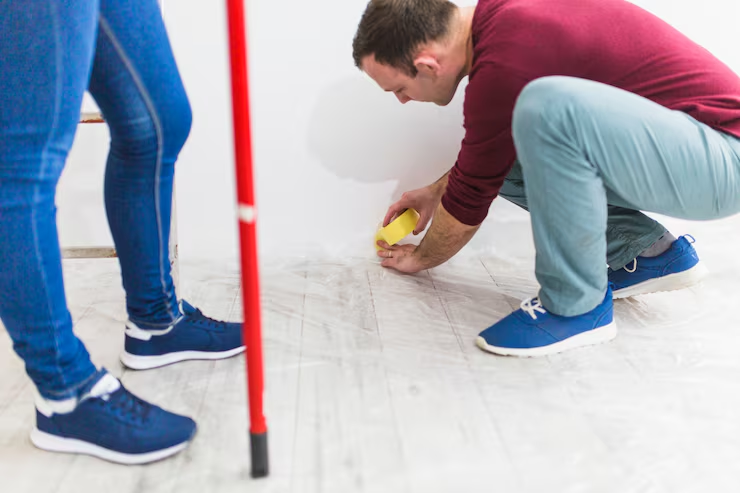
Applying grout correctly is not difficult, but it does require patience and the right sequence.
Step 1: Make sure tiles are set and cured Wait a minimum of 24 hours after tiling before installing grout. Grouting too early can shift tiles or create weak bonds.
Step 2: Mix the grout properly Always use a clean bucket and mixing tool to prevent contamination. Follow the recommended water-to-grout ratio to achieve the correct consistency. Mix the grout slowly and thoroughly to avoid creating air pockets. Allow the grout to slake (sit) for the recommended amount of time before applying it. Skipping this step weakens the mix and causes poor bonding.
Step 3: Apply and press into joints Use a grout float to spread the grout evenly and press it into the gaps between the tiles. Work in small sections to maintain even coverage and prevent the grout from drying out.
Step 4: Remove excess grout quickly The ideal approach is to wait for the product to dry, about 40 minutes, then remove the excess with a damp and soft sponge, finishing with a dry and clean cloth. Watch for drips and wipe any excess grout immediately with a sponge before it hardens.
Common Tile Grout Mistakes and How to Avoid Them
Common grouting mistakes include skipping the slake time, which causes weak bonding; using too much water while mixing or cleaning, which can wash out joints; not sealing grout, especially in a bathroom where unsealed grout will stain or crumble; and leaving haze too long without wiping it away before it sets.
Two more mistakes worth paying attention to:
Mixing grout incorrectly: Insufficient grout preparation and mixing can lead to a grout that is too thin, too thick, or unevenly colored. Always follow the manufacturer’s instructions for mixing the grout.
Applying sealer to dirty or damp grout: Grime, mold, or soap residue left on the grout surface prevents the sealer from fully bonding. This reduces protection and can trap dirt beneath the sealed layer.
Grout Sealing: Why It Is Not Optional
Once grout is applied and cured, sealing it is the step that keeps it looking clean and performing well over time. Most people skip it. That is a mistake.Sanded grout is naturally porous and can absorb water and dirt. Sealing it makes it more resistant to dirt, moisture, soap scum, and other types of debris.
How to seal grout correctly:Clean grout and remove mildew or efflorescence. Let the surface dry completely. Apply sealer along grout lines and work in sections. Remove sealer from tile with a soft cloth within the manufacturer-recommended time. Allow full cure before wetting the area.
Maintenance after sealing:Use mild, pH-neutral cleaners and avoid harsh acidic or bleach-based products that can degrade sealers. Grout should be resealed every one to three years depending on usage and exposure.
When you do not need to seal:Epoxy grout, when properly installed, is generally non-porous and does not require sealing. Sealing epoxy can trap contaminants or create an unnecessary layer that may peel; always follow manufacturer guidance.
Waterproofing and Grout: Why You Need Both
This is one of the most misunderstood points in tile installation, especially in Pakistan.Many homeowners and even some builders believe that tiles and grout provide enough water protection on their own. They do not. Grout is porous. Water passes through it, especially in bathrooms where surfaces are wet every single day. The tile itself is not the barrier. The tile is the finishing layer. The waterproofing beneath it is the actual barrier.
This means waterproofing must be done before tiles are laid, not after. For anyone building or renovating in Pakistan, reading StoneBird’s step-by-step guide to waterproofing before tile installation gives you the full sequence to follow. Without waterproofing, moisture can penetrate through grout lines and cause damage to the underlying surfaces, leading to rotted subfloors, weakened drywall or cement board, and costly structural repairs.
For bathrooms, roofs, and basements in Pakistan’s monsoon climate, pairing good tile grout with a proper waterproofing chemical is the only combination that protects the structure long-term. StoneBird Chemicals’ HydraShield waterproofing products are specifically engineered for this need.
Frequently Asked Questions
What is the difference between sanded and unsanded grout?
Sanded grout contains fine sand that adds strength and prevents shrinkage. It is used for wider joints, typically 1/8 inch or larger. Unsanded grout is smooth and works best for narrow joints under 1/8 inch, or on surfaces like glass and polished stone that scratch easily.
Does grout make tiles waterproof?
Bathroom grout is water-resistant, not waterproof. It slows water down but does not stop it completely. Proper waterproofing beneath the tiles is what creates a true barrier against moisture damage.
How often should grout be resealed?
Reseal grout lines every 12 to 18 months, more often in wet areas.
Can I use the same grout for floors and walls?
Not always. Floor tiles generally need sanded grout for strength and durability. Wall tiles, especially with narrow joints or delicate surfaces, work better with unsanded or polymer-modified grout.
Where can I get quality tile grout in Pakistan?
Stonebird Chemicals is a trusted Pakistani manufacturer of high-quality construction chemicals, including cementitious waterproofing, tile adhesives, and tile grouts. Based in Lahore, they deliver durable, polymer-modified solutions engineered for long-lasting performance in residential, commercial, and industrial projects across Pakistan.