
Choosing the best waterproofing method is one of the most important decisions in construction and renovation. In Pakistan, where buildings face heavy monsoon rains, humidity, and water seepage issues, waterproofing failure can lead to serious structural damage.
Two of the most widely used systems are chemical waterproofing and membrane waterproofing. This guide provides a detailed, side by side comparison to help you understand which solution is right for your project.
Table of Contents
What Is Chemical Waterproofing?
Chemical waterproofing uses specially formulated liquid or powder based chemicals that penetrate concrete and react internally to block water pathways. These chemicals become part of the concrete structure itself.
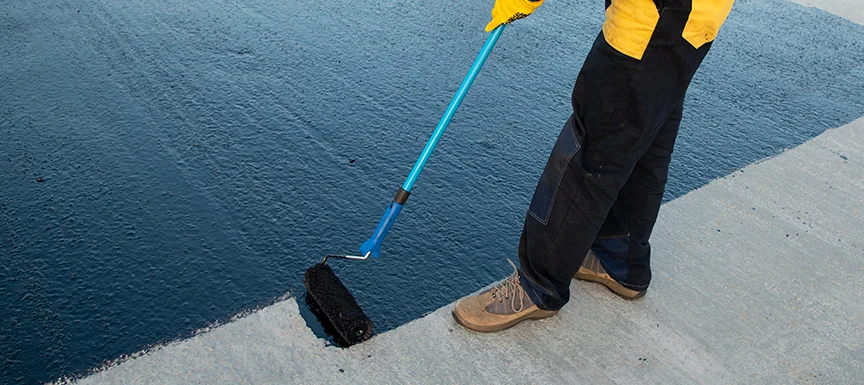
Common Types of Chemical Waterproofing
- Cementitious waterproofing
- Crystalline waterproofing
- Polyurethane coatings
- Acrylic polymer based waterproofing
Key Features
- Penetrates concrete pores
- Forms internal water blocking crystals or films
- Ideal for areas with constant moisture exposure
What Is Membrane Waterproofing?
Membrane waterproofing involves applying a physical waterproof layer on surfaces to stop water from passing through. This layer acts as a barrier between water and the structure.
Common Types of Membrane Waterproofing
- Bituminous membrane
- APP and SBS modified membranes
- PVC waterproofing membranes
- HDPE sheet membranes
Key Features
- Creates an external or internal barrier
- Highly flexible and stretch resistant
- Excellent for exposed areas
Chemical Waterproofing vs Membrane Comparison
1. Method of Protection
Chemical waterproofing works by sealing pores and micro cracks from within the concrete.
Membrane waterproofing stops water externally by forming a continuous protective sheet.
2. Durability
Chemical waterproofing becomes part of the structure and offers long term protection if applied correctly.
Membrane waterproofing is durable but may degrade if exposed to UV rays or mechanical damage.
3. Flexibility and Crack Bridging
Chemical waterproofing has limited flexibility and may not handle large structural movements.
Membrane waterproofing is flexible and can bridge small cracks effectively.
4. Application Areas
Chemical waterproofing is best for:
- Basements
- Water tanks
- Bathrooms
- Foundations
- Internal damp areas
Membrane waterproofing is best for:
- Roof slabs
- Terraces
- External walls
- Foundations before backfilling
5. Ease of Application
Chemical waterproofing is easier to apply on internal surfaces and confined spaces.
Membrane waterproofing requires skilled labor, surface preparation, and careful joint sealing.
6. Maintenance and Repairs
Chemical waterproofing requires minimal maintenance once cured.
Membrane waterproofing may need periodic inspection and patch repairs over time.
7. Cost Comparison
Chemical waterproofing is generally more cost effective for internal applications.
Membrane waterproofing has higher initial cost but offers strong external protection.
Tabular Comparison for Quick Understanding
| Feature | Chemical Waterproofing | Membrane Waterproofing |
|---|---|---|
| Working principle | Penetrates concrete | Physical barrier |
| Flexibility | Low to medium | High |
| Best use | Internal areas | External and exposed areas |
| Maintenance | Low | Medium |
| Lifespan | Long term | Long term with care |
| Cost | Moderate | Moderate to high |
Which Is the Best Waterproofing Method?
The best waterproofing method depends on location, exposure, and construction stage.
- For basements and internal damp areas, chemical waterproofing is usually the better choice.
- For roofs, terraces, and foundations, membrane waterproofing offers superior surface protection.
- In critical projects, combining chemical and membrane waterproofing delivers the strongest and most reliable results.
Common Mistakes to Avoid
- Choosing waterproofing only based on price
- Ignoring surface preparation
- Applying membrane on damp surfaces
- Skipping curing time for chemical waterproofing
Final Verdict
When comparing chemical waterproofing vs membrane, there is no one size fits all solution. Chemical systems strengthen concrete from within, while membranes provide an external shield against water.
For long lasting protection in Pakistani construction conditions, expert selection and proper application matter more than the product itself. Choosing the right system today prevents costly repairs in the future.