
Waterproofing is no longer a luxury for homes in Pakistan. It is a basic construction necessity. With rising temperatures, unpredictable monsoon rains, aging buildings, and rapid urban construction, water seepage has become one of the most common and damaging problems in Pakistani houses.
This home waterproofing guide explains why waterproofing is essential in Pakistan, where it is needed most, what problems it prevents, and how homeowners can protect their properties for the long term.
Understanding Waterproofing in the Pakistani Context
Waterproofing is the process of making a structure resistant to water penetration. In Pakistan, homes face unique environmental and construction challenges that make waterproofing especially important.
Key local factors include:
- Heavy monsoon rainfall
- Extreme summer heat
- High humidity in coastal cities
- Poor drainage systems
- Cost driven construction shortcuts
Without proper waterproofing, water slowly damages a home from the inside, often remaining unnoticed until repairs become expensive.
Table of Contents
Why Waterproofing Pakistan Homes Is Critical
1 Monsoon Rains Cause Severe Water Seepage
Pakistan’s monsoon season brings intense rainfall in a short period. Roofs, external walls, basements, and balconies are exposed to constant water pressure.
Without waterproofing:
- Roof slabs absorb water
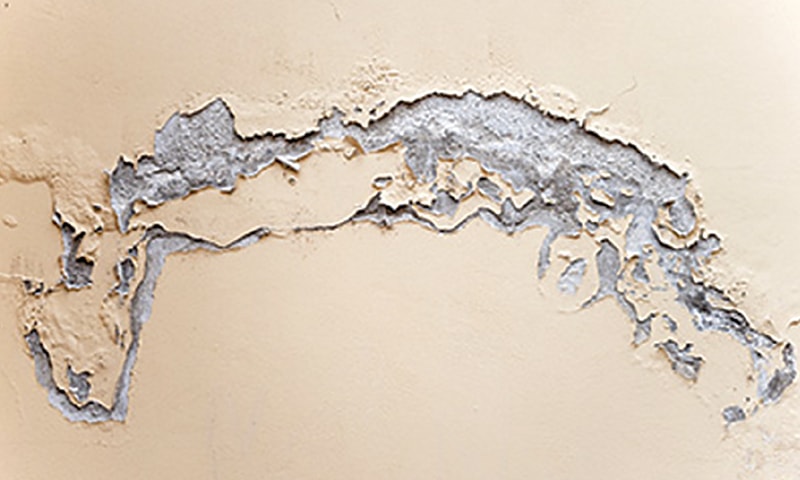
- Walls develop damp patches
- Paint starts peeling
- Concrete weakens over time
Waterproofing creates a protective barrier that prevents rainwater from entering the structure.
2 Extreme Heat Creates Cracks in Concrete
Pakistan experiences long summers with temperatures crossing 40°C in many regions. This heat causes concrete expansion and shrinkage cycles, leading to micro cracks.
These cracks become:
- Entry points for water
- Pathways for moisture to spread
- Structural weak points over time
A proper waterproofing system remains flexible and seals these cracks before they turn into major issues.
3 High Humidity Promotes Mold and Fungus
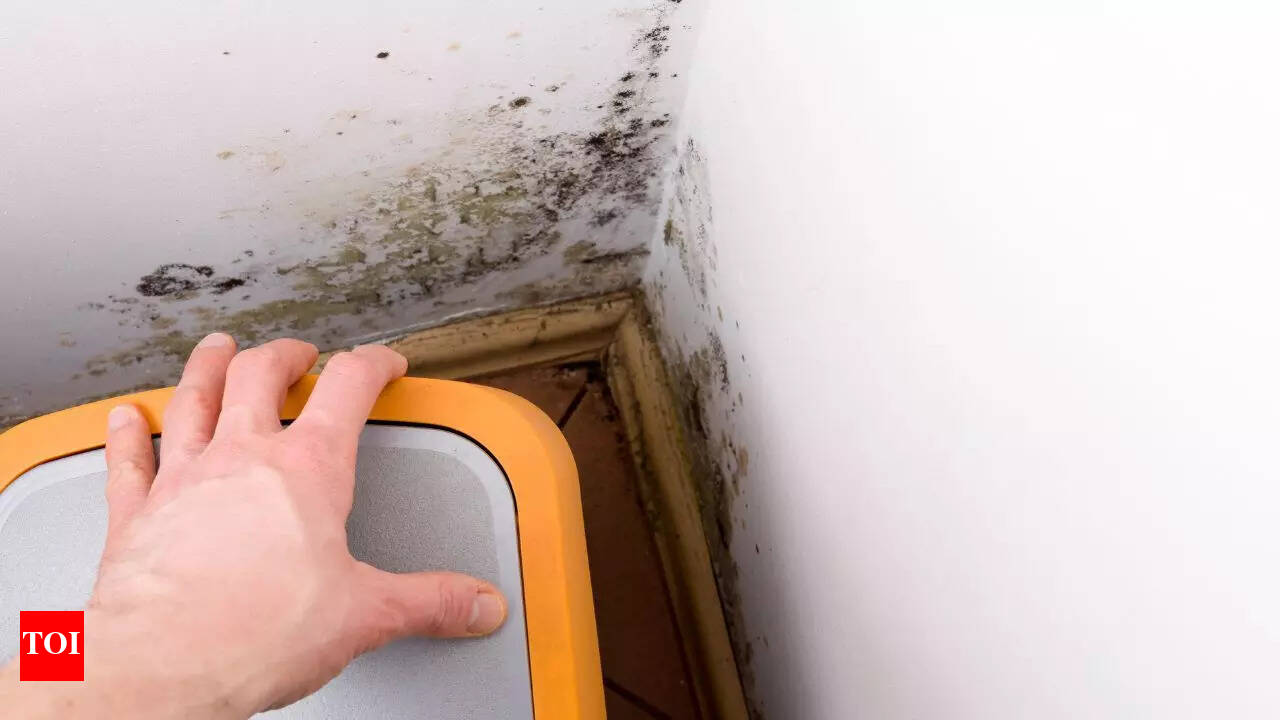
Cities like Karachi, Lahore during monsoon months, and coastal areas suffer from high humidity. Moisture trapped inside walls creates an ideal environment for mold growth.
This leads to:
- Bad odors
- Wall discoloration
- Health issues like allergies and asthma
- Weak indoor air quality
Waterproofing blocks moisture entry and keeps internal surfaces dry and healthy.
Common Areas That Need Waterproofing in Homes
Roofs and Terraces
The roof is the most exposed part of a house. Poor slope design and standing water cause roof leakage issues across Pakistan.
Bathrooms and Wash Areas
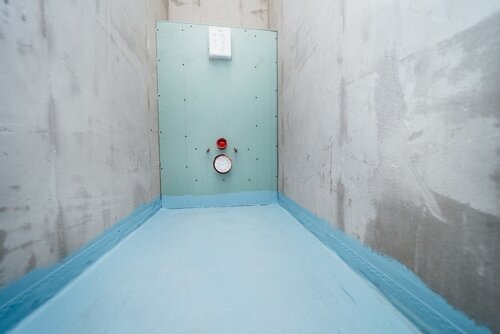
Bathrooms experience daily water exposure. Without waterproofing beneath tiles, water seeps into slabs and walls.
Kitchens
Continuous water usage and plumbing lines make kitchens another high risk zone.
Basements
Basements are vulnerable to groundwater pressure and require specialized waterproofing systems.
External Walls
Rainwater penetrates through external plaster cracks and damages internal finishes.
Problems Caused by Ignoring Waterproofing
Skipping waterproofing leads to multiple long term issues that affect both structure and living comfort.
Structural Damage
Water corrodes steel reinforcement inside concrete, weakening beams and slabs.
Costly Repairs
Repairing seepage damage later costs far more than preventive waterproofing during construction.
Reduced Property Value
Visible dampness, peeling paint, and mold reduce resale value and buyer confidence.
Health Hazards
Persistent moisture causes respiratory problems, especially for children and elderly residents.


Waterproofing vs Temporary Fixes
Many homeowners rely on short term solutions such as:
- Surface paint
- Cement slurry
- Tile replacement
- Patch repairs
These methods:
- Do not stop water penetration
- Fail after one season
- Waste money over time
Proper waterproofing works within the structure, not just on the surface, ensuring long lasting protection.
Types of Waterproofing Used in Pakistan
Cement Based Waterproofing
Commonly used for bathrooms, water tanks, and basements. It integrates well with concrete surfaces.
Liquid Membrane Waterproofing
Applied as a coating that forms a seamless protective layer on roofs and terraces.
Bituminous Waterproofing
Used mainly for foundations and below ground structures.
Polymer Modified Systems
Offer flexibility and crack bridging ability, ideal for roofs and exposed areas.
Selecting the right system depends on location, exposure level, and building design.
When Should Waterproofing Be Done
During Construction
This is the most effective and economical time to apply waterproofing.
During Renovation
Older homes showing dampness should be waterproofed before repainting or retiling.
Before Monsoon Season
Preventive waterproofing before rains can save homes from seasonal damage.
Signs Your Home Needs Waterproofing
- Damp patches on walls or ceilings
- White salt deposits on surfaces
- Peeling paint or bubbling plaster
- Musty smell indoors
- Cracks on roof slabs or walls
Ignoring these signs allows water damage to spread deeper into the structure.
Waterproofing and Tile Installation Connection
Bathrooms and kitchens often leak due to poor tile installation without waterproofing beneath. Tile adhesive and grout alone do not stop water penetration.
A proper system includes:
- Waterproofing layer
- Tile adhesive
- Tile grout
This layered protection ensures complete water resistance.

Is Waterproofing Expensive in Pakistan
Waterproofing costs vary depending on:
- Area size
- Type of system used
- Accessibility
- Labor quality
However, waterproofing typically costs far less than repeated repairs, repainting, and structural restoration caused by water damage.
Think of waterproofing as long term insurance for your home.
Choosing the Right Waterproofing Solution
A good home waterproofing guide always recommends:
- Using tested materials
- Hiring trained applicators
- Avoiding cheap shortcuts
- Following proper curing times
Quality application matters more than just buying materials.
Future of Waterproofing in Pakistan
With rising construction standards, waterproofing is becoming a standard requirement rather than an optional upgrade. Modern homes are now designed with integrated waterproofing systems to handle climate stress and water exposure.
Builders and homeowners who adopt waterproofing early enjoy:
- Lower maintenance costs
- Better indoor comfort
- Higher property value
- Peace of mind during monsoon seasons
Conclusion
Waterproofing is essential for Pakistani homes because it protects against monsoon rains, extreme heat, humidity, and long term structural damage. Ignoring waterproofing leads to costly repairs, health risks, and reduced property value.
A proper home waterproofing guide emphasizes prevention over repair. Whether building a new house or renovating an old one, investing in waterproofing ensures durability, safety, and comfort for years to come.
In Pakistan’s challenging climate, waterproofing is not optional. It is a smart, necessary decision for every responsible homeowner.