
Water damage is one of the most expensive and stressful problems homeowners face in Pakistan. Most of these issues can be avoided if people know where to waterproof their homes correctly. Waterproofing is not required everywhere, but there are critical zones where skipping it almost guarantees future damage.
This guide works as a home waterproofing checklist, helping you understand the five areas that must be waterproofed to protect your house, health, and investment.
Table of Contents
Why Knowing Where to Waterproof Matters
Water does not damage a home overnight. It slowly penetrates concrete, weakens structures, damages paint, and creates unhealthy living conditions. Many homeowners waste money on repairs without addressing the real cause.
Targeted waterproofing in the right areas:
- Prevents long term structural damage
- Stops dampness and mold growth
- Reduces maintenance costs
- Increases property value
Let us now look at the five most important areas that every Pakistani home must waterproof.
1. Roof and Terrace Area
The roof is the most exposed part of your home and the first place where waterproofing should never be ignored.
Why Roof Waterproofing Is Essential
- Direct exposure to monsoon rain
- Standing water due to poor slope
- Extreme heat causing concrete cracks
- Expansion and contraction of slabs
Without waterproofing, roof slabs absorb water, which later appears as ceiling leakage and wall dampness.
Common Problems If Not Waterproofed
- Ceiling stains
- Paint peeling
- Structural corrosion
- Costly slab repairs
Roof waterproofing should always be done before or immediately after construction.
2. Bathrooms and Wash Areas
Bathrooms are the highest water usage zones in any house. Waterproofing here is not optional.
Why Bathrooms Must Be Waterproofed
- Continuous water flow
- Floor wash and splashes
- Hidden plumbing lines
- Tile joints allowing water seepage
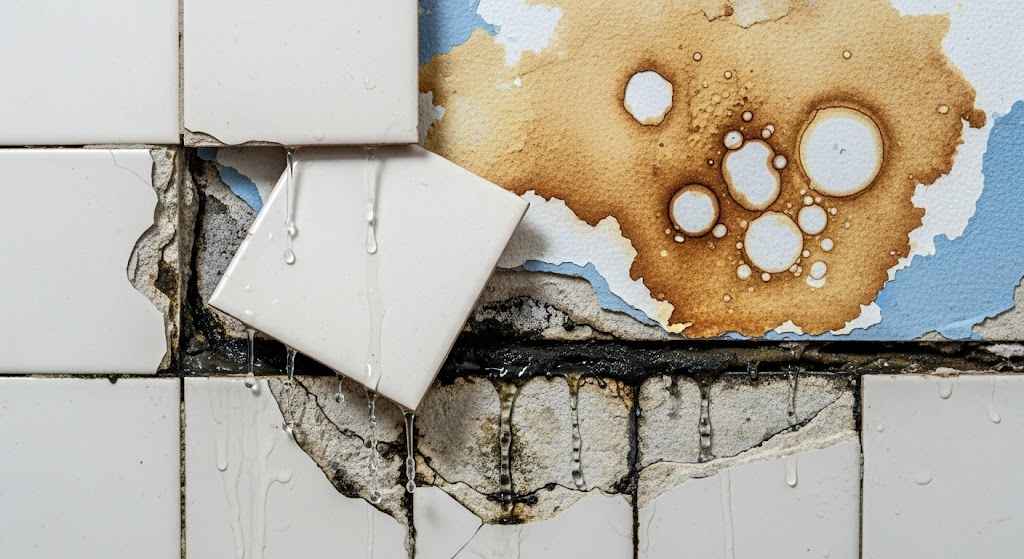
Tiles and grout alone do not stop water. Without a waterproofing layer beneath, water seeps into slabs and walls.
Problems Caused by Poor Bathroom Waterproofing
- Leakage to lower floors
- Damp bedroom walls
- Tile debonding
- Mold growth
Bathrooms should always be waterproofed before tile installation.
3. Kitchens
Kitchens are often ignored in the home waterproofing checklist, yet they are highly vulnerable.
Why Kitchens Need Waterproofing
- Constant water usage
- Sink and drainage lines
- Water splashes near counters
- Concealed plumbing
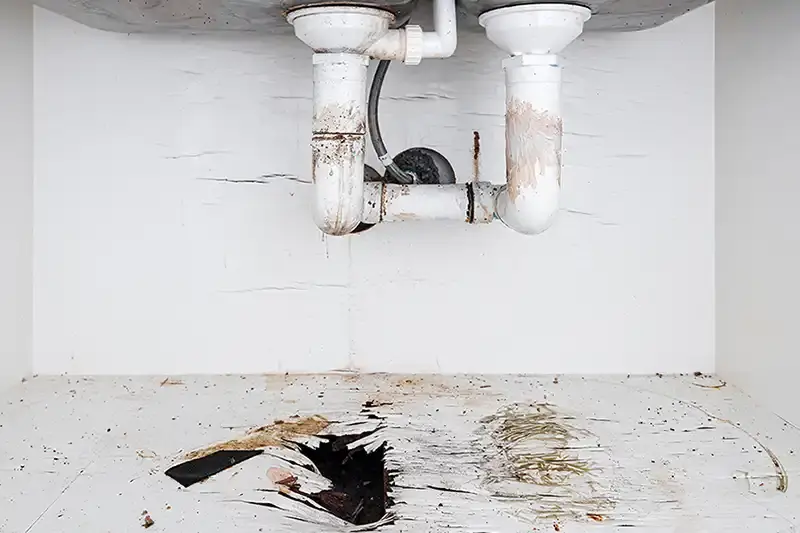
Even small leaks behind cabinets can cause major damage over time.
Risks of Skipping Kitchen Waterproofing
- Swollen cabinets
- Bad odors
- Wall discoloration
- Hidden structural damage
Waterproofing kitchens protects both structure and fittings.
4. External Walls
External walls are the first defense against rainwater, especially during monsoon season.
Why External Walls Must Be Waterproofed
- Rainwater penetration through cracks
- Poor quality plaster
- Hairline structural cracks
- Direct weather exposure
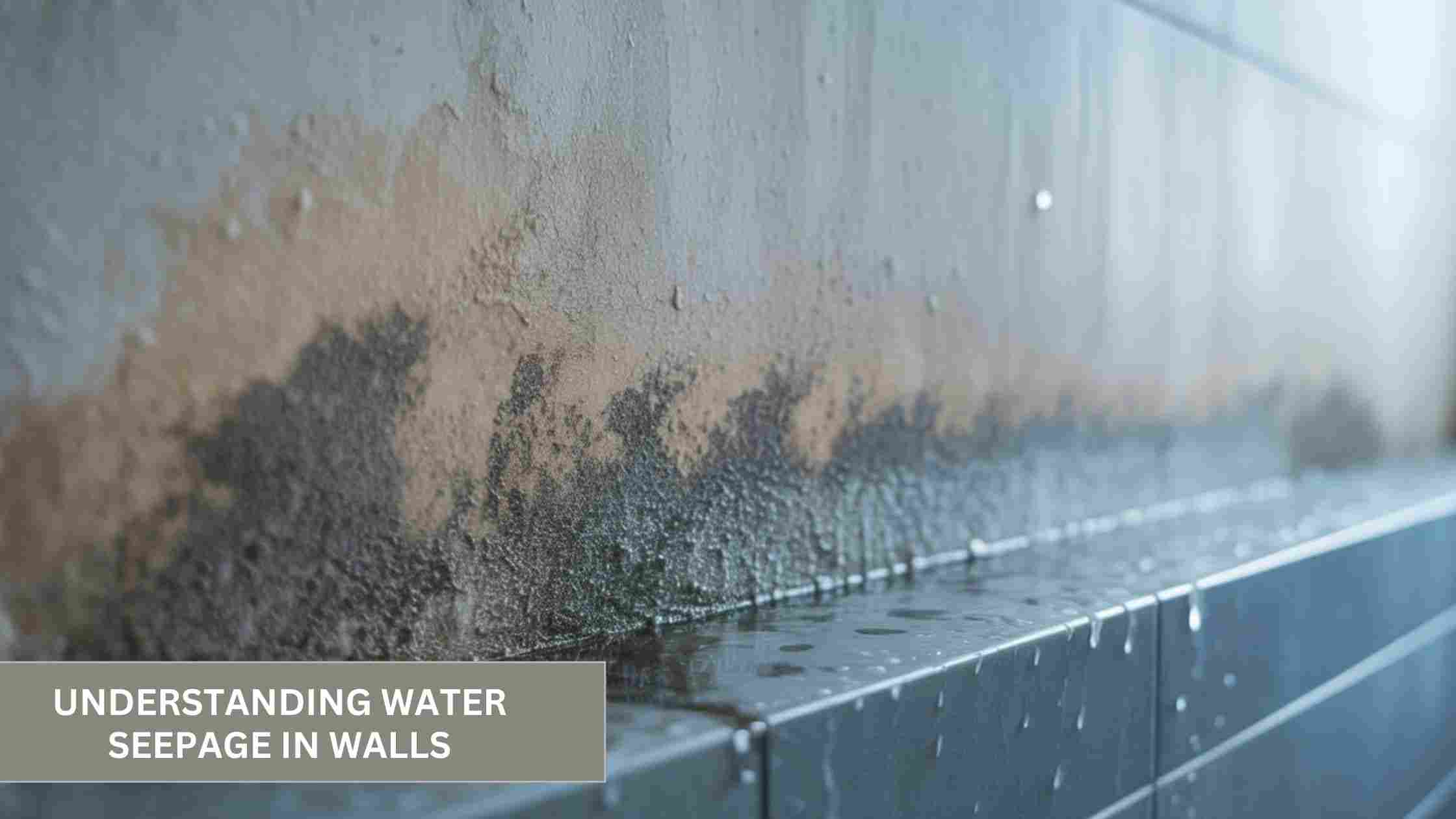
Once water enters external walls, it travels inside and damages internal finishes.
Signs External Walls Need Waterproofing
- Damp patches inside rooms
- Peeling paint
- White salt deposits
- Musty smell
External wall waterproofing acts as a protective shield for the entire home.
5. Basement or Ground Floor Slabs
Homes with basements or ground contact floors face a different kind of water pressure.
Why Basements Must Be Waterproofed
- Groundwater pressure
- Poor soil drainage
- Seepage through foundation walls
- Capillary moisture rise
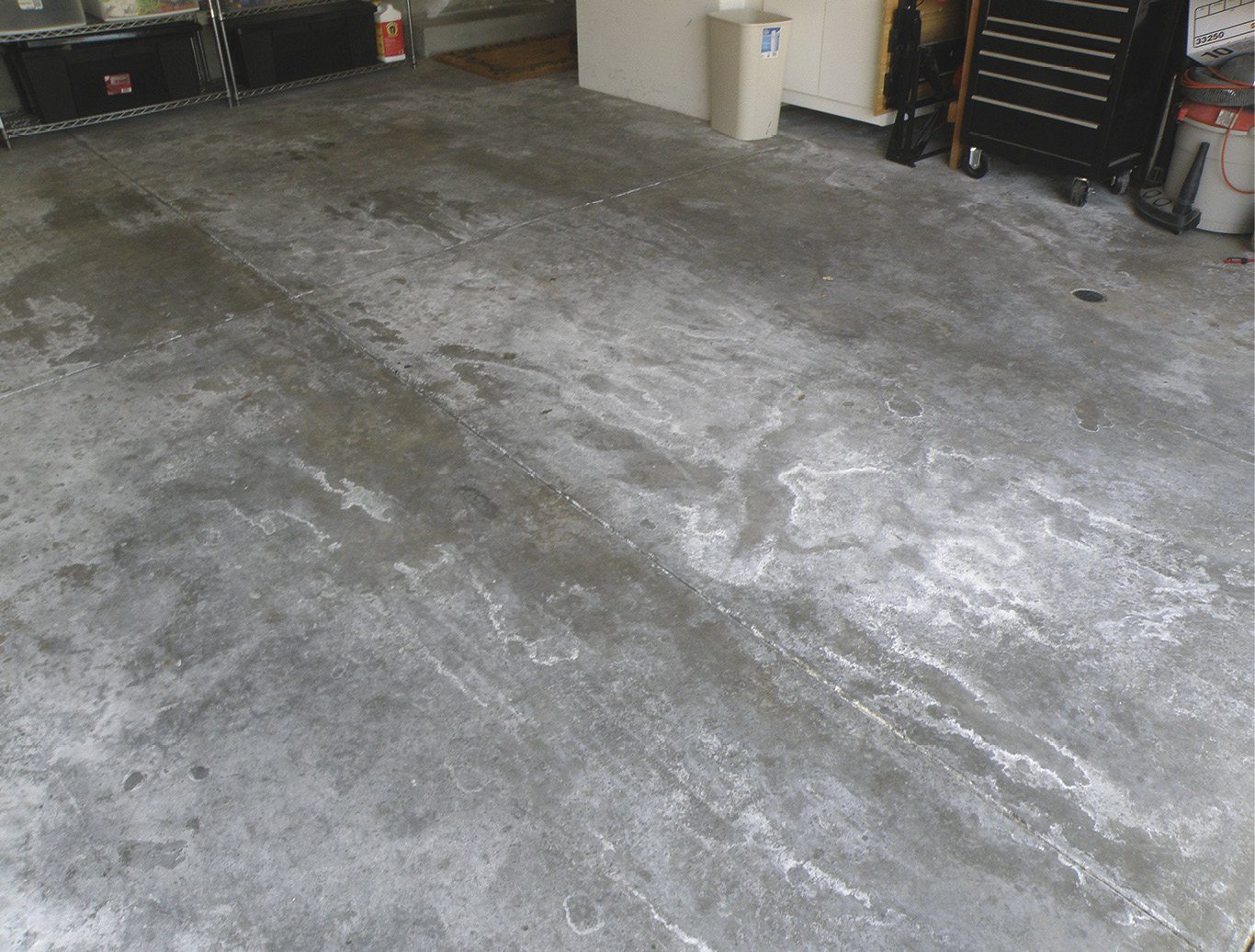
Basement water damage is difficult and expensive to fix once construction is complete.
Problems Without Basement Waterproofing
- Persistent dampness
- Structural weakening
- Mold infestation
- Unusable living space
Basement waterproofing must be planned during construction, not after.
Home Waterproofing Checklist Summary
Use this simple checklist to ensure full protection:
✔ Roof and terrace
✔ Bathrooms and toilets
✔ Kitchen areas
✔ External walls
✔ Basement or ground floor slabs
If these five areas are properly waterproofed, 90 percent of water related problems can be avoided.
Common Waterproofing Mistakes to Avoid
- Applying waterproofing only on visible areas
- Using paint as a waterproofing solution
- Skipping curing time
- Waterproofing after damage has already occurred
- Hiring untrained labor
Correct material selection and professional application are just as important as knowing where to waterproof.
When Should Waterproofing Be Done
- During new construction
- Before tile installation in wet areas
- Before monsoon season
- During renovation of old houses
Preventive waterproofing always costs less than corrective repairs.
Conclusion
Understanding where to waterproof is the foundation of a strong and durable home. Roofs, bathrooms, kitchens, external walls, and basements are the five areas that must never be ignored in any home waterproofing checklist.
In Pakistan’s climate, waterproofing is not an upgrade. It is a necessity. By waterproofing the right areas at the right time, homeowners can protect their property, avoid expensive repairs, and enjoy a healthier living environment for years to come.